
CTFX Forex Help & Guides, CTFX Forex Tips & Tricks
Forex Trading in South Africa: 2025 Guide

Jul
Forex trading in South Africa and Botswana is growing faster than ever, with the local market now seeing individual traders and institutional investors exchanging currencies around the clock. Most new traders think it’s all about quick profits and flashy platforms. The real truth is that understanding tax rates, picking a truly regulated broker, and mastering risk management make or break your success—much more than any hot tip or trend ever will.
Table of Contents
- How Forex Trading Works In South Africa And Botswana
- Regulations And Safe Forex Brokers In 2025
- Getting Started: Steps For Beginner Traders
- Common Risks And Tips For Local Success
Quick Summary
| Takeaway | Explanation |
| Understanding Market Dynamics is Crucial | Successful forex trading relies on an accurate grasp of currency pair movements, leverage, and risk management influenced by economic indicators and global events. |
| Select Regulated Brokers | Choose brokers authorized by the Financial Sector Conduct Authority (FSCA), ensuring compliance with licensing and protection measures such as segregated funds and clear fee structures. |
| Commit to Continuous Education | New traders should invest in learning through courses and practical trading experiences, utilizing demo accounts to build confidence in a structured way. |
| Implement Rigorous Risk Management | To mitigate losses, employ strategies like strict position sizing, stop-loss orders, and diversifying trading strategies while being aware of the risks of leverage and market volatility. |
| Maintain Financial Literacy | Understanding tax implications and financial reporting requirements is essential to ensure compliance and informed trading decisions in the South African context. |
How Forex Trading Works in South Africa and Botswana
Forex trading in South Africa represents a dynamic financial landscape where traders exchange international currencies through sophisticated electronic platforms. The fundamental mechanism involves simultaneously buying one currency while selling another, with traders seeking to profit from fluctuating exchange rates.
Understanding the Forex Market Structure
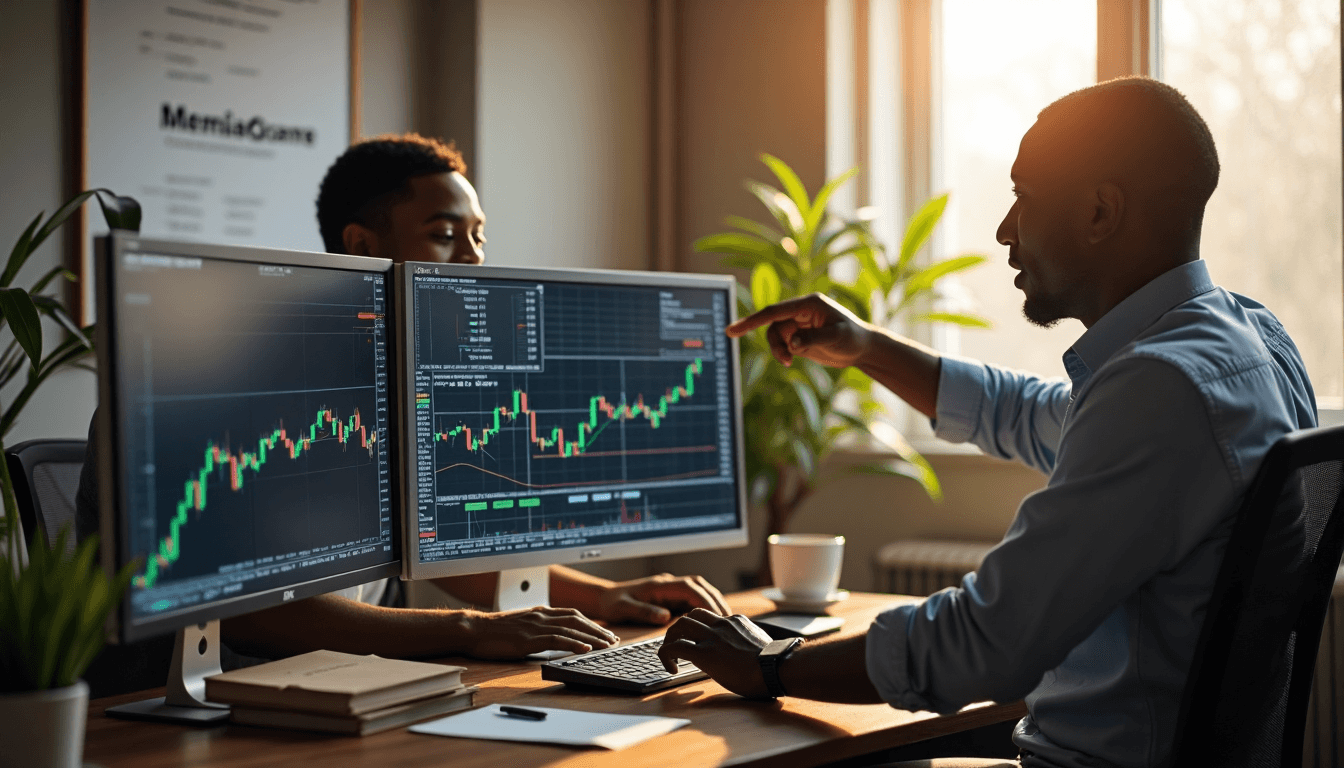
In these southern African markets, forex trading operates within a regulated framework that ensures investor protection and market transparency. Traders seeking comprehensive market insights can leverage multiple trading platforms that connect them to global currency markets. The forex market functions as a decentralized global network where currencies are traded 24 hours a day, five days a week.
Traders in South Africa and Botswana typically engage with major currency pairs involving the US dollar, euro, British pound, and Japanese yen. According to research from the Financial Sector Conduct Authority, the local forex market has seen significant growth, with individual traders and institutional investors actively participating in currency exchange strategies.
Regulatory Considerations and Trading Mechanics
The forex trading environment in South Africa is carefully monitored by regulatory bodies. The Financial Sector Conduct Authority (FSCA) mandates strict guidelines for brokers, including licensing requirements and client account protections. Traders must navigate these regulations while implementing their trading strategies.
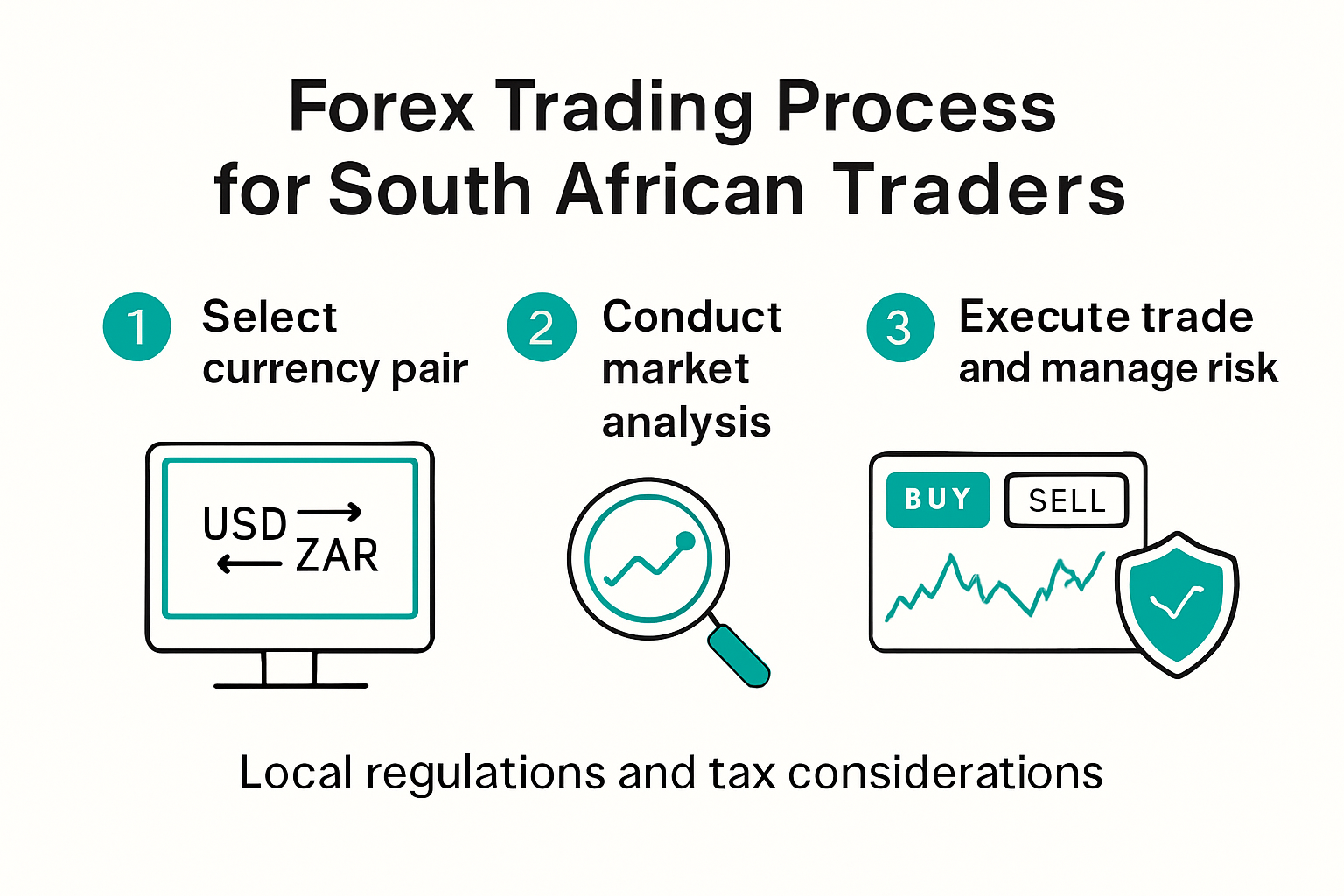
Key trading mechanics involve understanding currency pair movements, leverage, and risk management. Traders analyze economic indicators, global events, and market sentiments to make informed trading decisions. The typical trading process includes selecting a currency pair, analyzing market trends, determining entry and exit points, and managing potential risks.
Profitability in forex trading is directly linked to understanding market dynamics. According to taxation guidelines from the South African Revenue Service, profits generated from forex trading are subject to income tax, with rates ranging from 18% to 45% depending on the trader’s total income bracket. This regulatory framework ensures transparency and proper financial reporting for forex traders in the region.
Successful forex trading requires a combination of technical knowledge, market understanding, and disciplined risk management. Traders in South Africa and Botswana must continuously educate themselves about global economic trends, develop robust trading strategies, and maintain a disciplined approach to currency exchange.
To clarify South African forex income tax rates and reporting responsibilities, here’s a table summarising essential aspects:
| Taxable Forex Trading Income | Income Tax Rate | Reporting Requirement |
| Up to R237,100 | 18% | Annual tax return |
| R237,101 – R370,500 | 26% | Annual tax return |
| R370,501 – R512,800 | 31% | Annual tax return |
| R512,801 – R673,000 | 36% | Annual tax return |
| R673,001 – R857,900 | 39% | Annual tax return |
| R857,901 – R1,817,000 | 41% | Annual tax return |
| Above R1,817,000 | 45% | Annual tax return |
Regulations and Safe Forex Brokers in 2025
The forex trading landscape in South Africa and Botswana continues to evolve, with regulatory frameworks becoming increasingly sophisticated to protect traders and maintain market integrity. As we approach 2025, understanding the regulatory environment and identifying safe forex brokers has become crucial for traders seeking reliable and secure trading experiences.
Regulatory Oversight and Trader Protection
The Financial Sector Conduct Authority (FSCA) serves as the primary regulatory body in South Africa, implementing stringent guidelines to safeguard traders’ interests. According to recent regulatory updates, brokers must meet comprehensive compliance requirements to operate legally within the market. Traders can verify a broker’s legitimacy by checking their Financial Service Provider (FSP) number directly on the FSCA’s official website.
Key regulatory protections include mandatory capital requirements, segregated client funds, and transparent reporting mechanisms. These measures ensure that brokers maintain sufficient financial reserves and protect traders’ investments from potential misconduct. Learn more about comprehensive forex trading strategies to complement your understanding of regulatory frameworks.
Identifying Safe Forex Brokers in 2025
Selecting a reputable forex broker requires careful consideration of multiple factors. In 2025, traders should prioritize brokers with the following characteristics:
- FSCA Authorization: Brokers must possess a valid license from the Financial Sector Conduct Authority.
- Transparent Fee Structure: Clear and competitive pricing without hidden charges.
- Advanced Security Measures: Multi-factor authentication and robust cybersecurity protocols.
- Competitive Trading Conditions: Reasonable spreads, leverage options, and trading platforms.
Additionally, research from regulatory bodies suggests that traders should conduct thorough due diligence. This includes examining a broker’s track record, reading independent reviews, and verifying their regulatory compliance.
The taxation landscape also plays a critical role in forex trading safety. According to South African Revenue Service (SARS) guidelines, traders must maintain accurate records of their trading activities and comply with income tax regulations. Profits from forex trading are subject to income tax, with rates varying based on individual income brackets.
As the forex market continues to evolve, traders in South Africa and Botswana must remain vigilant. The regulatory environment provides a robust framework for safe trading, but individual responsibility remains paramount. Continuous education, understanding market dynamics, and choosing reputable brokers are essential steps in navigating the forex trading landscape of 2025.
To help traders identify reputable brokers, here’s a checklist table of essential broker qualities and status:
| Broker Feature | Recommended Status | Why it Matters |
| FSCA Authorization | Yes | Legal operation & trader protection |
| Transparent Fee Structure | Yes | No hidden charges |
| Advanced Security Measures | Yes | Safeguards funds & personal information |
| Competitive Trading Conditions | Yes | Favourable spreads, leverage, platforms |
| Positive Reputation | Yes | Indicates credibility and client satisfaction |
| Comprehensive Education | Yes | Supports beginner learning |
Getting Started: Steps for Beginner Traders
Embarking on a forex trading journey requires careful preparation, strategic learning, and a structured approach. For beginners in South Africa and Botswana, navigating the complex world of currency trading demands patience, education, and a methodical strategy.
Understanding the Foundational Basics
Successful forex trading begins with comprehensive education. Explore comprehensive trading fundamentals that provide newcomers with essential knowledge about market mechanisms, currency pairs, and trading principles. Beginners must develop a solid understanding of key concepts such as bid and ask prices, spread, leverage, and market analysis techniques.
Learning fundamental and technical analysis forms the cornerstone of effective trading. Fundamental analysis involves studying economic indicators, geopolitical events, and financial reports that influence currency values. Technical analysis focuses on studying price charts, identifying patterns, and using statistical indicators to predict potential market movements.
Practical Steps for Novice Traders
Starting your forex trading journey involves several critical steps:
- Educational Investment: Commit to continuous learning through online courses, webinars, and professional training programs.
- Risk Management: Develop a comprehensive risk management strategy that limits potential losses.
- Practice Trading: Utilize demo accounts to simulate real trading environments without financial risk.
- Start Small: Begin with minimal investments while building confidence and understanding market dynamics.
Choosing a reputable and FSCA-regulated broker is crucial for beginners. Traders should evaluate brokers based on factors like transaction costs, available trading platforms, educational resources, and customer support. According to research from financial experts, beginners should prioritize brokers offering comprehensive educational materials and user-friendly trading interfaces.
Psychological preparation is equally important in forex trading. Successful traders develop emotional discipline, manage stress effectively, and maintain a rational approach to market fluctuations. This involves creating a structured trading plan, setting realistic expectations, and understanding that losses are an inherent part of the learning process.
Financial literacy plays a significant role in forex trading success. Traders must understand tax implications, reporting requirements, and financial regulations specific to South Africa. According to South African Revenue Service guidelines, proper documentation and transparent reporting of trading income are essential.
The forex trading landscape in 2025 demands adaptability and continuous learning. Beginners should remain committed to expanding their knowledge, staying updated with global economic trends, and refining their trading strategies. While the journey may seem challenging, a structured approach, disciplined mindset, and ongoing education can transform novice traders into confident market participants.
Common Risks and Tips for Local Success
Forex trading in South Africa and Botswana presents unique challenges and opportunities that require traders to develop sophisticated risk management strategies. Understanding the potential pitfalls and implementing effective protective measures are crucial for sustainable trading success.
Identifying Key Market Risks
Traders must recognize the inherent volatility present in currency markets. According to warnings from the Financial Sector Conduct Authority (FSCA), many trading platforms may misrepresent the complexity and risk associated with forex trading. The regulatory body emphasizes that forex trading is not a low-risk investment strategy, particularly for inexperienced traders.
Local traders face multiple risk factors, including:
- Economic Instability: Fluctuations in regional economic conditions
- Currency Volatility: Rapid changes in exchange rates
- Geopolitical Uncertainties: Political events affecting currency values
- Leverage Risks: Potential for significant financial losses
Strategic Risk Management Techniques
Effective risk management is the cornerstone of successful forex trading. Research from financial experts suggests implementing a comprehensive approach that goes beyond traditional risk mitigation strategies. Traders should develop a multi-layered risk management plan that includes:
- Strict position sizing
- Implementing stop-loss orders
- Diversifying trading strategies
- Maintaining comprehensive financial records
According to FSCA guidelines, traders must be particularly cautious about demo accounts that may not accurately represent real-market conditions. These simulated environments often fail to capture the full complexity of actual trading scenarios, potentially creating unrealistic expectations for novice traders.
Psychological preparedness plays a critical role in managing trading risks. Successful traders develop emotional resilience, avoiding impulsive decisions driven by fear or greed. This involves creating a structured trading plan, setting realistic expectations, and maintaining disciplined approach to market fluctuations.
Local traders must also navigate unique regional challenges. Economic indicators specific to South Africa and Botswana can significantly impact currency valuations. Understanding local economic trends, monitoring political developments, and staying informed about regional financial policies are essential strategies for mitigating potential risks.
Financial literacy extends beyond trading techniques. Traders must comprehend the tax implications of their trading activities. South African Revenue Service guidelines emphasize the importance of accurate reporting and understanding the tax consequences of forex trading income.
Ultimately, success in forex trading requires a holistic approach. Continuous education, rigorous risk management, and a deep understanding of both local and global market dynamics are essential. Traders who approach the market with patience, discipline, and a commitment to ongoing learning are best positioned to navigate the complex world of forex trading in South Africa and Botswana.
Frequently Asked Questions
How does forex trading work in South Africa and Botswana?
Forex trading in South Africa and Botswana involves exchanging international currencies through digital platforms, where traders aim to profit from fluctuations in exchange rates. The market operates around the clock, with participants buying one currency while simultaneously selling another.
What regulations should I consider when choosing a forex broker in South Africa?
When selecting a forex broker in South Africa, ensure they are authorized by the Financial Sector Conduct Authority (FSCA). Look for brokers that offer transparent fee structures, advanced security measures, and demonstrate a positive reputation among clients.
What are the tax implications for forex trading income in South Africa?
Forex trading profits in South Africa are subject to income tax, with rates ranging from 18% to 45% based on the trader’s overall income bracket. Traders must report their earnings accurately in their annual tax returns, following the guidelines set by the South African Revenue Service (SARS).
What steps should beginners take to start forex trading in South Africa?
Beginners should start by investing in forex education, developing a comprehensive risk management strategy, and practicing trading through demo accounts. It’s crucial to choose a reputable FSCA-regulated broker and begin trading with minimal investments while gaining confidence and understanding of the market.
Take the Uncertainty Out of Forex Trading – Get Real Results with Genuine Coaching
Are you frustrated by complicated forex regulations, worried about choosing the wrong broker, or just tired of not knowing how to manage your trading risk? You are not alone. Many South African and Botswana traders struggle with exactly these issues. This article showed that understanding everything from FSCA regulations to managing tax on your trades can feel overwhelming. The truth is, you do not need to figure all this out on your own. The CTFX School of Trading builds your trading confidence step by step, helping you master the basics, reach advanced strategies, and navigate local regulations with ease.

Give yourself the advantage of expert guidance and easy-to-understand lessons. Whether you want to learn how to set up risk management, decode tax requirements, or simply make sense of global currency markets, CTFX offers a complete programme for traders at every level. Take action today, conquer uncertainty, and unlock your trading potential in 2025. Start your journey to smarter, safer forex trading now.
Recommended Articles
- Best Forex Trading Course & Coaching: Cape Town South Africa
- Exclusive Private Forex Course – 1-on-1 Trading Training
- Forex trading course pretoria – SA’s Best Forex Trading Course & Coaching Classes
- Forex trading course johannesburg – SA’s Best Forex Trading Course & Coaching Classes
- Forex trading course durban – SA’s Best Forex Trading Course & Coaching Classes
