
CTFX Forex Help & Guides, CTFX Forex Tips & Tricks
Crypto Trading for Beginners in South Africa 2025

Jul
Crypto trading is drawing thousands of new traders across South Africa and Botswana, with digital currencies now seen as a serious alternative to traditional investments. Shockingly though, even with all this attention, only 59 crypto businesses have received official operating licenses in South Africa as of 2025. Most first-time investors get caught off guard not by market swings, but by unexpected regulatory rules and hidden risks that can wipe out profits before you even get started.
Table of Contents
- Understanding Crypto Trading Basics In Southern Africa
- Choosing The Right Cryptocurrency Exchange In 2025
- Key Steps To Start Safe Crypto Trading
- Common Mistakes Beginners Make (And How To Avoid Them)
Quick Summary
| Takeaway | Explanation |
|---|---|
| Understand Regulatory Compliance | Cryptocurrencies are classified as assets in South Africa, meaning all crypto-related income must be declared for tax purposes to avoid penalties. Traders should maintain accurate records of transactions, including dates and prices. |
| Choose a Secure Trading Platform | Select exchanges that comply with regulations, have advanced security features, and provide transparent fee structures. Look for platforms licensed by the Financial Sector Conduct Authority (FSCA) to ensure safety and credibility. |
| Implement Robust Risk Management Strategies | Begin trading with small investments, diversify your portfolio, and set clear investment goals. Establish stop-loss parameters and regularly review market trends to mitigate risks. |
| Prioritize Continuous Education | Educate yourself on trading mechanics, market dynamics, and security practices. Utilize online resources, courses, and community forums to enhance your trading knowledge and skills. |
| Avoid Common Trading Mistakes | Be aware of emotional trading, regulatory neglect, and technical vulnerabilities. Develop a disciplined strategy, stay informed, and adopt robust security measures to safeguard your investments. |
Understanding Crypto Trading Basics in Southern Africa
Cryptocurrency trading represents a dynamic financial landscape that has captured significant attention across Southern Africa. Understanding the fundamental mechanics of this digital financial ecosystem is crucial for beginners looking to navigate the complex world of crypto investments.
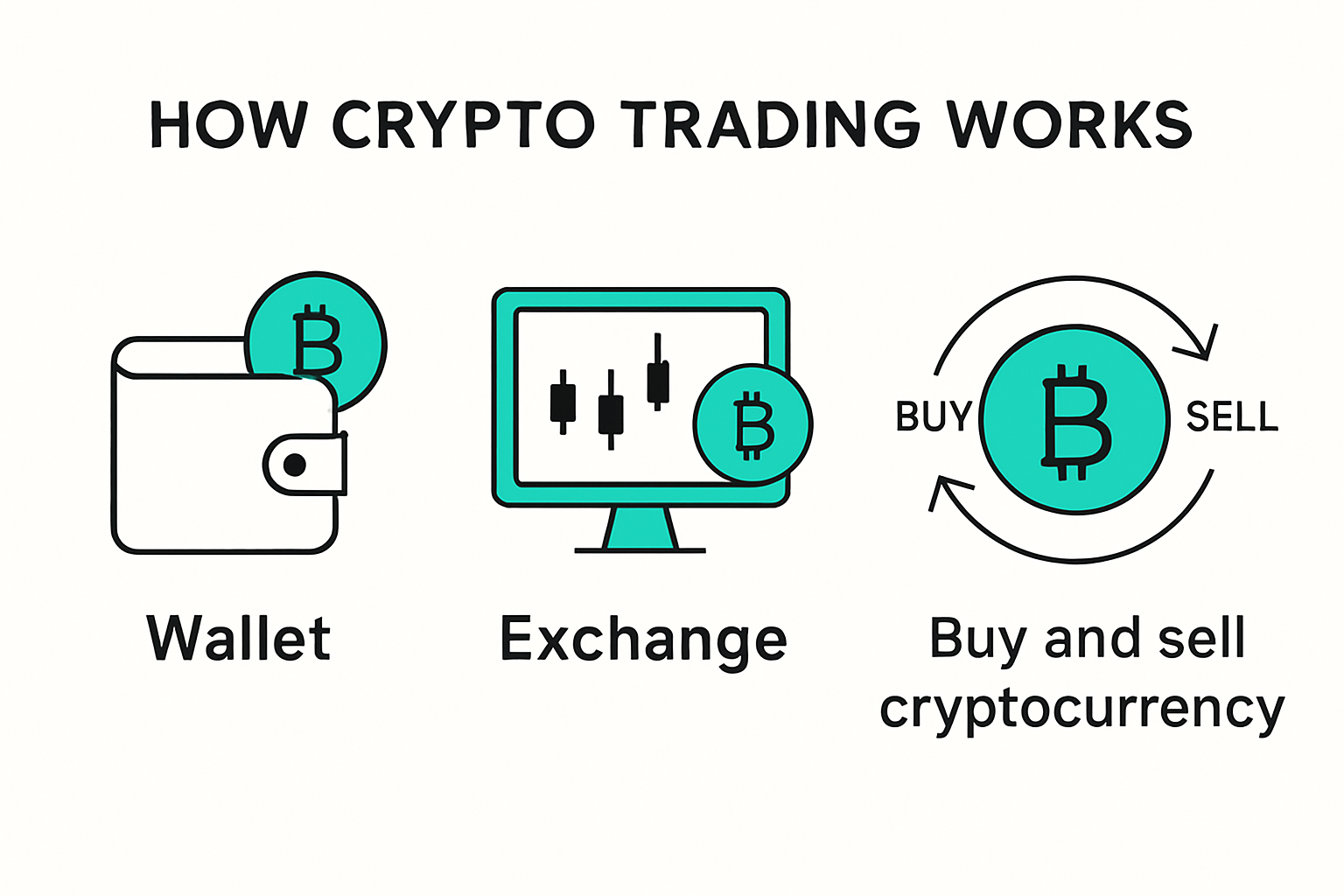
The Blockchain Foundation of Cryptocurrency
At the core of cryptocurrency trading lies blockchain technology – a decentralized digital ledger that records all transactions transparently and securely. Learn more about our trading insights reveals that this technology eliminates intermediaries like banks, allowing direct peer-to-peer transactions. In the Southern African context, blockchain offers an alternative financial system that bypasses traditional banking limitations.
The South African Reserve Bank (SARB) has been closely monitoring cryptocurrency developments. According to official SARB guidance, cryptocurrencies are not considered legal tender, but they are recognized as assets. This classification means traders must understand the tax implications and regulatory landscape before engaging in crypto transactions.
Key Considerations for Southern African Crypto Traders
South African and Botswanan traders face unique challenges and opportunities in the cryptocurrency market. The South African Revenue Service (SARS) classifies cryptocurrencies as “assets of an intangible nature,” which means all crypto-related income must be declared for tax purposes. Traders need to maintain meticulous records of their transactions, including purchase prices, sale prices, and dates.
Regional economic factors significantly influence crypto trading dynamics. High inflation rates, currency volatility, and limited traditional investment options have made cryptocurrencies an attractive alternative for many Southern African investors. Bitcoin and Ethereum remain the most popular cryptocurrencies, offering relatively stable investment opportunities compared to more speculative digital assets.
Risk Management and Educational Resources
Successful crypto trading requires comprehensive risk management strategies. Beginners should start with small investments, diversify their portfolio, and continuously educate themselves about market trends. Research from global financial experts suggests that understanding market volatility, setting clear investment goals, and using secure trading platforms are essential steps for new traders.
Local trading platforms and educational resources have emerged to support the growing crypto community in Southern Africa. Traders should prioritize platforms that offer robust security measures, transparent fee structures, and responsive customer support. Additionally, joining local crypto trading communities can provide valuable insights and networking opportunities for beginners seeking to understand the nuanced world of digital asset trading.
Navigating the cryptocurrency market requires patience, continuous learning, and a strategic approach. While the potential for significant returns exists, traders must remain aware of the inherent risks and regulatory complexities unique to the Southern African financial landscape.
To help visualise essential risk management strategies and key educational resources highlighted in this section, the table below summarises practical steps for new traders in Southern Africa:
| Action | Purpose | Example/Advice |
|---|---|---|
| Start with small investments | Minimise exposure to market volatility | Begin with amounts you can afford to lose |
| Diversify your portfolio | Spread risk across multiple assets | Mix Bitcoin, Ethereum, and smaller coins |
| Set investment goals | Focus your trading strategy | Define target returns, timeframes, and limits |
| Monitor market trends | Stay informed about volatility | Use trading platforms for latest price updates |
| Use secure trading platforms | Protect your assets from cyber risks | Choose platforms with robust security & compliance |
| Join crypto communities | Gain collective insights and networking | Participate in local or online forums/groups |
| Track all transactions | Meet regulatory & tax requirements | Log purchases, sales, amounts, and dates |
Choosing the Right Cryptocurrency Exchange in 2025

Selecting an appropriate cryptocurrency exchange is a critical decision for traders in Southern Africa, requiring careful evaluation of multiple factors to ensure security, reliability, and compliance with local regulatory requirements.
Regulatory Compliance and Security Standards
In 2025, cryptocurrency exchanges must meet stringent regulatory requirements. Financial Sector Conduct Authority (FSCA) guidelines now mandate comprehensive know-your-customer (KYC) and anti-money laundering (AML) protocols for crypto asset service providers. According to recent regulatory updates, only 59 cryptocurrency businesses have received official operating licenses in South Africa, significantly narrowing the field of legitimate trading platforms.
Traders must prioritize exchanges that demonstrate:
- Regulatory Compliance: Fully licensed and registered with FSCA
- Security Infrastructure: Advanced encryption and multi-factor authentication
- Transparent Operational Practices: Clear fee structures and robust customer support
Technical Features and Trading Capabilities
Modern cryptocurrency exchanges in Southern Africa offer sophisticated trading tools tailored to local market needs. Comprehensive trading insights suggest evaluating platforms based on several key technical capabilities. These include real-time market data, advanced charting tools, and seamless integration with local banking systems.
Key considerations for traders include:
- Supported cryptocurrencies (Bitcoin, Ethereum, local alternatives)
- Transaction fees and trading volumes
- Mobile application functionality
- Speed of deposits and withdrawals
The Gauteng High Court ruling in May 2025 further clarified the legal landscape, emphasizing the importance of choosing exchanges that demonstrate robust compliance and user protection mechanisms.
Risk Management and Platform Selection
Successful crypto trading in Southern Africa requires a strategic approach to platform selection. Financial intelligence experts recommend conducting thorough due diligence before committing to any exchange.
Practical steps for evaluating cryptocurrency exchanges include:
- Researching platform reputation and user reviews
- Verifying regulatory compliance
- Testing customer support responsiveness
- Comparing transaction fees across multiple platforms
- Assessing the exchange\s historical security performance
Traders should remain vigilant, understanding that the cryptocurrency landscape continues to evolve rapidly. Staying informed about regulatory changes, technological advancements, and market trends is crucial for making informed decisions in the dynamic world of digital asset trading.
Below is a quick comparison table to help readers evaluate cryptocurrency exchanges based on the main criteria discussed above:
| Evaluation Criteria | Why It Matters | What to Look For |
|---|---|---|
| Regulatory Compliance | Ensures legal operation & user protection | FSCA license, KYC/AML procedures |
| Security Infrastructure | Safeguards digital assets | Multi-factor authentication, strong encryption |
| Fee Transparency | Avoids hidden costs | Clear breakdown of transaction and withdrawal fees |
| Supported Cryptocurrencies | Enables portfolio diversification | BTC, ETH, & local asset availability |
| Customer Support | Resolves issues promptly | Responsive, multi-channel service |
| Banking Integration | Facilitates seamless local transactions | Easy deposits/withdrawals with SA/BW banks |
Key Steps to Start Safe Crypto Trading
Navigating the cryptocurrency trading landscape requires a strategic and informed approach, especially for beginners in Southern Africa. Understanding the essential steps to start trading safely can significantly mitigate risks and enhance potential investment outcomes.
Building a Strong Foundation of Knowledge
Education is the cornerstone of successful crypto trading. Learn trading fundamentals emphasizes that comprehensive understanding precedes financial investment. Beginners should invest time in learning fundamental concepts such as blockchain technology, market dynamics, and basic trading strategies.
Key areas to focus on include:
- Understanding cryptocurrency market mechanics
- Learning technical analysis techniques
- Studying price chart patterns
- Comprehending market sentiment indicators
According to Kaspersky security experts, novice traders must prioritize knowledge acquisition before committing financial resources. Online courses, webinars, and reputable financial publications offer valuable insights into the complex world of cryptocurrency trading.
Implementing Robust Security Measures
Securing digital assets is paramount in cryptocurrency trading. The South African cybersecurity landscape demands vigilant protection strategies. Research from local financial experts recommends implementing multi-layered security protocols.
Critical security steps include:
- Wallet Selection: Choose hardware wallets for enhanced protection
- Two-Factor Authentication: Enable on all trading platforms
- Regular Security Updates: Maintain latest software versions
- Secure Internet Connections: Avoid public WiFi during transactions
The Financial Sector Conduct Authority (FSCA) emphasizes the importance of using regulated platforms and maintaining stringent personal cybersecurity practices to protect against potential digital asset theft.
Risk Management and Strategic Investment
Successful crypto trading hinges on disciplined risk management. Southern African traders must develop a comprehensive strategy that balances potential returns with potential losses. Financial advisors recommend starting with small investments and gradually expanding your portfolio as you gain experience.
Practical risk management strategies include:
- Setting clear investment goals
- Establishing strict stop-loss parameters
- Diversifying cryptocurrency holdings
- Avoiding emotional trading decisions
- Continuously monitoring market trends
Traders should remain adaptable, recognizing that the cryptocurrency market is inherently volatile. Continuous learning, staying informed about regulatory changes, and maintaining a disciplined approach are crucial for long-term success in digital asset trading.
Remember that cryptocurrency trading involves significant financial risks. Always conduct thorough research, consult financial professionals, and never invest more than you can afford to lose.
Common Mistakes Beginners Make (And How to Avoid Them)
Cryptocurrency trading presents numerous challenges for beginners in Southern Africa, with potential pitfalls that can significantly impact financial outcomes. Understanding and anticipating these common mistakes is crucial for developing a sustainable trading strategy.
Financial and Regulatory Compliance Errors
One of the most critical mistakes traders make involves neglecting tax and regulatory obligations. South African Revenue Service (SARS) guidelines emphasize that crypto assets must be declared as part of annual tax returns. Many beginners mistakenly believe cryptocurrency transactions exist in a legal grey area, exposing themselves to potential financial penalties.
Common compliance mistakes include:
- Failing to maintain accurate transaction records
- Overlooking capital gains tax requirements
- Not reporting cryptocurrency income
- Misunderstanding regulatory frameworks
Financial compliance experts recommend maintaining meticulous documentation of all crypto transactions, including purchase dates, prices, and trading volumes. This approach not only ensures legal compliance but also provides valuable insights into personal trading performance.
Investment Strategy and Risk Management Pitfalls
Inexperienced traders often fall prey to emotional decision-making and poorly constructed investment strategies. Research from financial analysts highlights several critical errors that can decimate investment portfolios.
Key strategic mistakes to avoid:
- Overexposure: Committing excessive capital to a single cryptocurrency
- Emotional Trading: Making impulsive decisions based on market fluctuations
- Lack of Diversification: Concentrating investments in a narrow range of assets
- Ignoring Market Research: Trading without understanding underlying market dynamics
The Financial Sector Conduct Authority (FSCA) warns that many beginners fall victim to sophisticated crypto scams promising unrealistic returns. Developing a disciplined, research-driven approach is essential for long-term trading success.
Technical and Security Vulnerabilities
Technical incompetence can expose traders to significant financial risks. Beginners often underestimate the importance of robust security measures and technical understanding. Cryptocurrency trading requires more than basic financial knowledge.
Critical technical mistakes include:
- Using weak passwords
- Neglecting two-factor authentication
- Trading on unsecured networks
- Failing to understand wallet security
- Storing large amounts of cryptocurrency on exchange platforms
Experts recommend implementing multi-layered security protocols, including hardware wallets, comprehensive password management, and continuous security updates. Ongoing education and awareness are crucial in navigating the complex cryptocurrency landscape.
To reinforce the key mistakes and solutions discussed throughout this section, the following checklist table provides a handy guide for beginners to avoid common crypto trading errors:
| Mistake Type | Example Mistake | How to Avoid It |
|---|---|---|
| Compliance | Not reporting crypto for tax purposes | Keep accurate records and declare all income |
| Overexposure | All-in on one coin | Diversify portfolio across multiple assets |
| Emotional Trading | Panic buying/selling on price swings | Stick to your plan and set clear rules |
| Neglecting Security | Weak passwords or no 2FA | Use strong passwords and enable two-factor auth |
| Lack of Research | Trading without understanding market trends | Stay informed through research and education |
| Storing on Exchange | Keeping large sums on public exchanges | Store crypto in private/hardware wallets |
Successful cryptocurrency trading requires patience, continuous learning, and a disciplined approach. Beginners should prioritize education, risk management, and regulatory compliance to build a sustainable trading strategy in the dynamic Southern African market.
Frequently Asked Questions
What are the basic requirements for starting crypto trading in South Africa and Botswana?
To start crypto trading, you need to choose a secure cryptocurrency exchange, set up an account, complete the necessary KYC requirements, and ensure you understand the regulatory and tax obligations associated with trading cryptocurrencies in your region.
How do I choose a safe and reliable cryptocurrency exchange?
When selecting an exchange, look for those that are licensed by the Financial Sector Conduct Authority (FSCA) in South Africa. Ensure they have strong security features, transparent fee structures, and positive user reviews to safeguard your investments.
What are the common mistakes beginners make in crypto trading?
Common mistakes include neglecting regulatory compliance, making emotional trading decisions, overexposure to single assets, and failing to implement strong security measures. Beginners should focus on proper risk management to avoid significant losses.
How can I ensure compliance with tax regulations when trading cryptocurrencies?
In South Africa, all crypto-related income should be declared for tax purposes. Maintain accurate records of your transactions, including dates, prices, and transaction amounts, and consult with a tax professional to ensure compliance with SARS guidelines.
Ready to Trade Crypto Safely in South Africa and Botswana?
If you’ve made it this far, you already know just how complex and risky the local crypto market can feel. Our article breaks down exactly where new traders often get stuck, whether it’s confusing FSCA compliance, picking unreliable exchanges, or falling into emotional trading traps. Many beginners struggle most with building a strong foundation and learning to protect their investments from hidden fees, scams and technical pitfalls. That’s why personalised coaching and easy-to-follow resources make all the difference.

At CTFX School of Trading, our courses and one-on-one mentoring tackle the core challenges covered in this guide, covering everything from wallet security to strategic risk management. If you want simple, credible guidance built for the South African reality, start with our Trading Insights or sign up directly for tailored coaching through CTFX School of Trading. Don’t risk another year losing out on the fast-changing crypto space. Secure your learning path today and build true confidence in your trading journey.
Recommended
- Best Forex Trading Course & Coaching: Cape Town South Africa
- Exclusive Private Forex Course – 1-on-1 Trading Training
- Forex trading course pretoria – SA’s Best Forex Trading Course & Coaching Classes
- Home – SA’s Best Forex Trading Course & Coaching Classes
- Forex trading course johannesburg – SA’s Best Forex Trading Course & Coaching Classes
