
CTFX Forex Help & Guides, CTFX Forex Tips & Tricks
Forex Trading Psychology in South Africa: 2025 Guide
Jul
Forex trading in South Africa pulls in thousands each year and the numbers are staggering. Over 28.5 million trades have been analysed, uncovering powerful patterns in trader behaviour. Think you can outsmart the markets by just focusing on charts and technical skills? That might actually be your downfall. Because it turns out that your mindset matters more than any strategy, and understanding your own psychology could be the biggest edge you will ever find.
Table of Contents
- Why psychology matters in forex trading
- Common emotional traps for south african traders
- Building a winning mindset in cape town
- Practical tips to improve your trading discipline
Quick Summary
| Takeaway | Explanation |
|---|---|
| Master your trading psychology. | Successful trading relies more on emotional control than technical skills. Understanding your mindset gives you a competitive edge. |
| Identify common emotional traps. | Traders face biases like loss aversion and overconfidence that can impair decision-making. Recognizing these traps is vital for effective trading. |
| Develop a robust trading framework. | Structure your trading with predefined rules for entries, exits, and risk management. This reduces the influence of emotions on decisions. |
| Maintain a trading journal. | Documenting your emotions and decisions helps track psychological patterns and improve self-awareness in trading strategies. |
| Practice mindfulness techniques. | Using meditation and mindfulness can enhance emotional regulation and discipline, enabling more informed trading decisions. |
Why Psychology Matters in Forex Trading
Forex trading is far more than numbers, charts, and strategies. At its core, successful trading hinges on understanding and managing your psychological landscape. Traders who master their mental approach often outperform those with technical skills but poor emotional control.
The Hidden Battlefield of Trading Emotions
Trading psychology represents the invisible battleground where most traders win or lose before even executing a trade. A comprehensive study of trading behavior investigating 167 Turkish Forex investors revealed that personality traits significantly impact investment performance. Specifically, traits like openness to experience and conscientiousness positively influence trading outcomes, while psychological biases can dramatically undermine potential success.
Key psychological challenges traders face include:
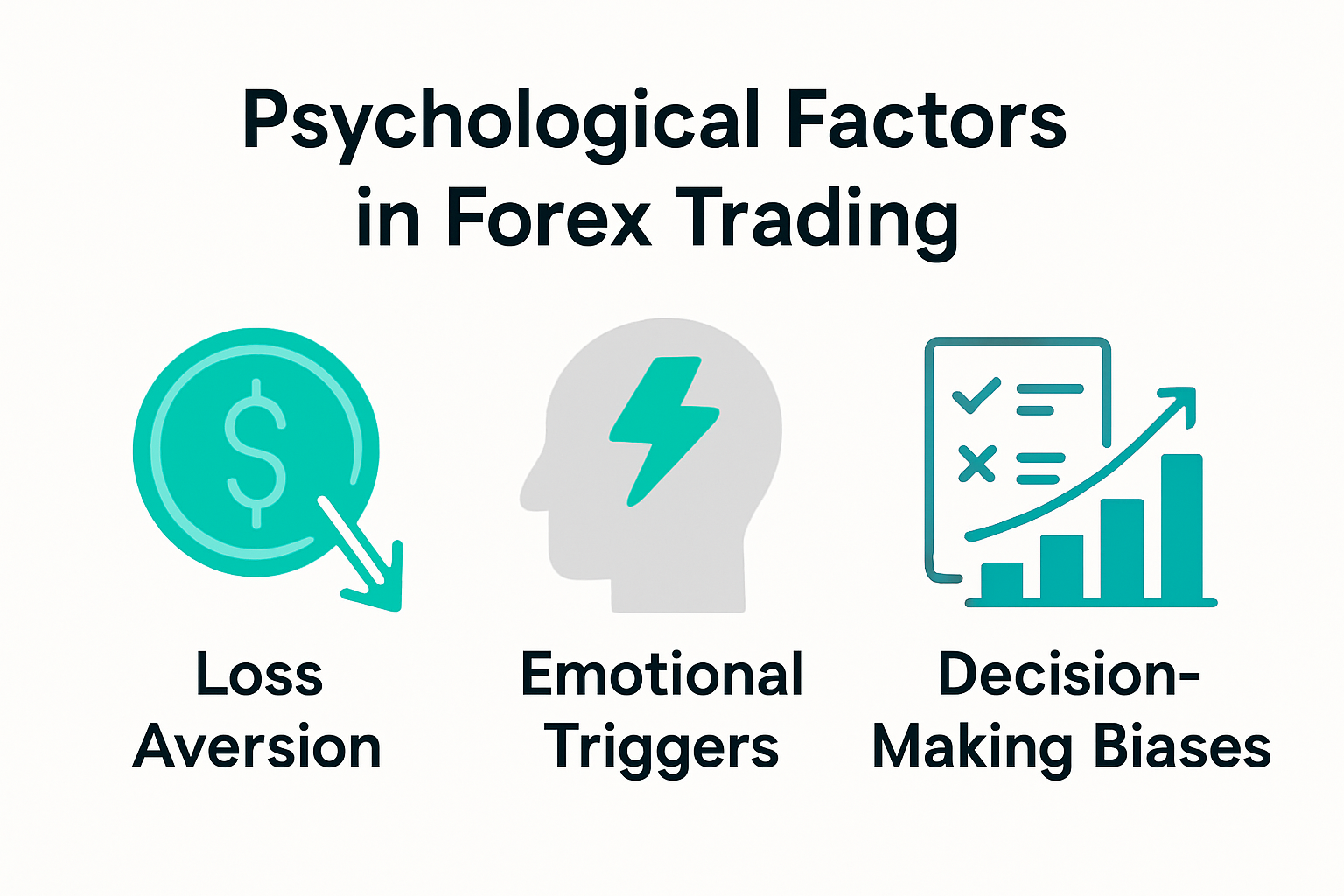
- Emotional Decision Making: The tendency to make impulsive choices driven by fear or greed
- Loss Aversion: An inherent psychological bias where losses feel more painful than equivalent gains
- Confirmation Bias: Seeking information that confirms existing beliefs while ignoring contradictory evidence
Understanding Psychological Trading Patterns
Research analyzing over 28.5 million trades uncovered profound insights into trader behavior. The study demonstrated clear evidence of loss aversion through prospect theory principles. Traders consistently exhibited risk-averse behaviors with gains and paradoxically became risk-seeking when confronting potential losses.
This psychological phenomenon explains why many traders hold losing positions too long and exit winning trades prematurely. The emotional turmoil of potential loss triggers irrational decision-making processes that override logical trading strategies.
Developing Psychological Resilience
Building psychological resilience requires deliberate practice and self-awareness. Successful traders develop mental frameworks that:
- Separate emotions from trading decisions
- Create systematic approaches to risk management
- Practice consistent self-reflection and learning
Understanding your psychological triggers is not just beneficial—it’s essential. By recognizing and managing emotional responses, traders transform potential psychological obstacles into strategic advantages. Learn more about advanced trading techniques that integrate psychological insights for more consistent performance.
Trading is ultimately a mental game. Technical skills provide the foundation, but psychological mastery determines long-term success. Traders who invest in understanding their mental patterns will consistently outperform those who rely solely on technical knowledge.
Common Emotional Traps for South African Traders
Forex trading demands more than technical knowledge. South African traders frequently encounter psychological pitfalls that can decimate their trading performance and financial goals. Understanding these emotional traps is the first step toward developing a resilient and disciplined trading approach.
The Psychological Minefield of Trading Decisions

Investopedia highlights several critical psychological traps that can significantly impact trading outcomes. These cognitive biases operate beneath conscious awareness, subtly manipulating decision-making processes and leading traders astray.
Traders commonly experience:
- Anchoring Trap: Fixating on a specific price point or initial information, which prevents objective market analysis
- Confirmation Bias: Seeking information that validates existing beliefs while dismissing contradictory evidence
- Loss Aversion: Experiencing losses more intensely than equivalent gains, causing irrational risk management
To help you quickly compare and recognize the main emotional traps impacting South African traders, here’s a summary table breaking down each trap and its effect:
| Psychological Trap | Description | Typical Impact on Trading |
|---|---|---|
| Anchoring Trap | Fixating on a specific price point or initial info, ignoring new data | Leads to poor market analysis |
| Confirmation Bias | Seeking info that supports current beliefs, ignoring contradicting evidence | Reinforces bad trading decisions |
| Loss Aversion | Losses hurt more than gains of same amount | Exiting winners too early, holding losers too long |
| Overconfidence | Inflated sense of trading ability after success | Excessive risk-taking |
| Availability Bias | Overweighting recent or memorable events in decision making | Distorted perception of market trends |
Cognitive Biases Undermining Trading Performance
Research from IG reveals multiple cognitive biases that systematically compromise trading strategies. The availability bias, for instance, causes traders to overemphasize recent or memorable events, distorting their perception of market trends.
Overconfidence emerges as another significant emotional trap. Traders who experience initial success often develop an inflated sense of skill, leading to excessive risk-taking and potentially catastrophic trading decisions. This psychological phenomenon can transform early wins into substantial long-term losses.
Strategies for Overcoming Emotional Trading Traps
Investopedia emphasizes understanding trading psychology as a critical component of successful trading. Developing emotional intelligence requires structured approaches and consistent self-reflection.
Effective strategies include:
- Implementing strict trading rules that override emotional impulses
- Maintaining a detailed trading journal to track psychological patterns
- Practicing mindfulness techniques to enhance emotional regulation
Recognizing these emotional traps is not about eliminating emotions but managing them strategically. Learn advanced trading techniques that integrate psychological insights for more consistent performance.
Successful traders transform emotional challenges into opportunities for growth. By cultivating self-awareness and developing robust psychological frameworks, South African traders can navigate the complex forex market with greater confidence and precision.
Building a Winning Mindset in Cape Town
Successful forex trading begins with cultivating a robust psychological framework. Cape Town traders must develop a strategic mindset that transcends technical analysis and embraces emotional intelligence as a critical competitive advantage.
Psychological Foundations of Trading Success
Research examining forex traders’ psychology reveals that emotional stability significantly impacts trading performance. Traders with consistent emotional regulation demonstrate more confident decision-making and enhanced risk management capabilities.
Key psychological attributes of successful traders include:
- Emotional Resilience: Ability to maintain composure during market volatility
- Adaptability: Willingness to adjust strategies based on changing market conditions
- Self-Awareness: Understanding personal psychological triggers and biases
The table below summarizes the core psychological attributes and their benefits for Cape Town forex traders:
| Attribute | Description | Trading Benefit |
|---|---|---|
| Emotional Resilience | Staying calm during market volatility | Better decision-making under pressure |
| Adaptability | Adjusting strategies as market changes | Maintains edge in dynamic conditions |
| Self-Awareness | Understanding personal biases & triggers | Improves discipline & risk management |
Cognitive Strategies for Mental Fortitude
A study investigating psychological factors among South African investors highlights how cognitive biases dramatically influence investment decisions. Developing mental strategies to counteract these biases becomes crucial for consistent trading performance.
Traders must learn to recognize and mitigate cognitive traps such as overconfidence, herding behavior, and representative heuristics. This requires continuous self-reflection and a commitment to ongoing psychological development.
Practical Techniques for Mental Training
Behavioral economics research suggests leveraging structured techniques to enhance mental performance. Implementing systematic approaches can transform psychological challenges into strategic advantages.
Effective mental training techniques include:
- Developing a structured daily trading routine
- Practicing mindfulness and meditation
- Creating detailed trading journals for psychological analysis
- Regularly reviewing and adjusting trading strategies
Mental preparation is as critical as technical skill. Explore advanced trading techniques that integrate psychological insights for more consistent performance.
Building a winning mindset is a continuous journey of self-discovery and improvement. Cape Town traders who invest in their psychological development will not only survive but thrive in the dynamic world of forex trading. Success emerges from the intersection of technical knowledge, emotional intelligence, and unwavering discipline.
Practical Tips to Improve Your Trading Discipline
Trading discipline separates successful forex traders from amateur investors. Developing a structured approach that consistently overcomes emotional impulses requires intentional strategy and self-awareness.
Designing a Robust Trading Framework
Nasdaq highlights critical strategies for mastering trading discipline, emphasizing the importance of creating a comprehensive trading plan. This framework serves as a psychological guardrail, preventing impulsive decisions and maintaining consistent performance.
Key elements of an effective trading framework include:
- Predefined Entry and Exit Points: Establishing clear rules before emotional responses can interfere
- Risk Management Parameters: Setting strict limits on potential losses
- Performance Metrics: Tracking objective performance indicators
Psychological Tools for Maintaining Trading Discipline
Research from Atlas Funded reveals practical techniques for maintaining consistent trading behavior. Keeping a detailed trading journal emerges as a powerful tool for understanding personal psychological patterns and identifying recurring behavioral triggers.
Traders can enhance discipline by:
- Documenting emotional states during trading
- Analyzing decision-making patterns
- Identifying personal psychological vulnerabilities
- Developing targeted strategies to mitigate individual weaknesses
Implementing Strategic Self-Management Techniques
Purely Investing underscores the significance of disciplined trading approaches, recommending systematic methods to maintain psychological control. Successful traders view discipline as a skill to be developed, not an innate characteristic.
Advanced discipline strategies include:
- Practicing meditation and mindfulness
- Creating structured daily trading routines
- Implementing automatic risk management tools
- Regularly reviewing and adjusting trading strategies
Explore advanced trading techniques that integrate psychological discipline for more consistent performance.
Trading discipline is a continuous journey of self-improvement. By developing robust psychological frameworks, traders transform potential emotional vulnerabilities into strategic advantages. Success emerges from consistent, methodical approaches that prioritize long-term performance over short-term emotional gratification.
Frequently Asked Questions
What is the importance of psychology in forex trading?
Understanding trading psychology is crucial as it affects decision-making and emotional control. Traders with a solid grasp of their psychological landscape often perform better than those who rely solely on technical skills.
What are some common emotional traps South African forex traders face?
Common emotional traps include loss aversion, overconfidence, and confirmation bias. These biases can lead to poor trading decisions, such as holding losing positions too long or exiting winning trades prematurely.
How can I build a winning mindset for forex trading?
Building a winning mindset involves developing emotional resilience, adaptability, and self-awareness. Practicing mindfulness, maintaining a trading journal, and recognizing personal psychological triggers are effective techniques.
What are practical tips for improving trading discipline?
To improve trading discipline, traders should create a robust trading framework with predefined rules for entries, exits, and risk management. Keeping a detailed trading journal and practicing mindfulness techniques can also enhance discipline.
Take Control of Your Trading Psychology—Start Your Journey with CTFX School of Trading
Are you tired of letting emotions like fear, greed, and overconfidence sabotage your forex trading results? The article you just read uncovered how psychological patterns, cognitive biases, and lack of discipline stand between you and successful trading in South Africa. If you recognise yourself fighting these silent battles, you are not alone. Many traders feel frustrated by repeated mistakes that prevent them from reaching their true potential.
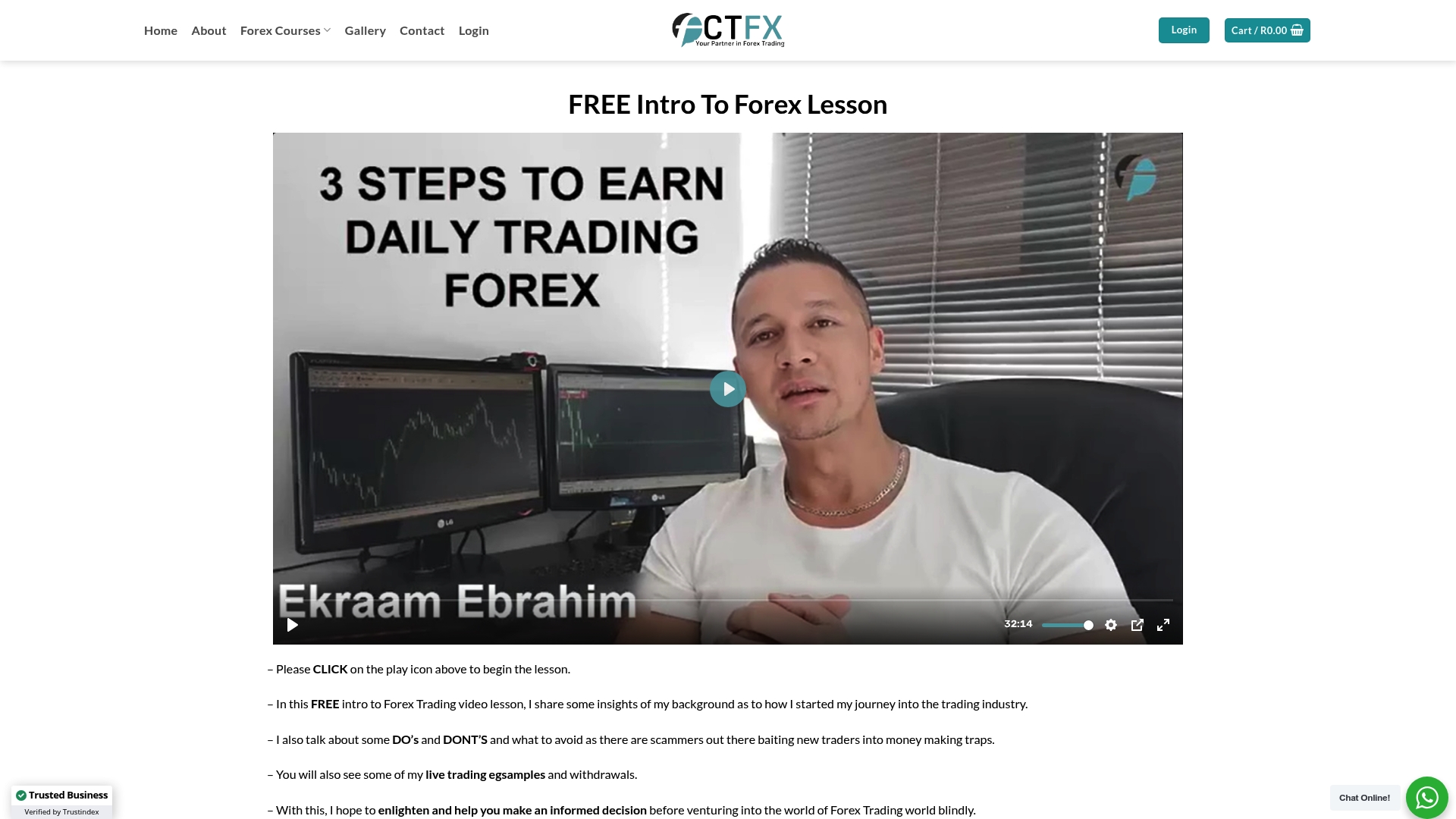
Now is the time to turn that awareness into action. The CTFX Forex Help & Guides section offers practical resources designed to help you master your mindset, build effective habits, and avoid psychological pitfalls. If you are ready to transform emotional setbacks into strengths, explore our free starter resources or browse our CTFX Course List for one-on-one coaching and proven strategies. Take the first step today—your trading success starts when you focus on the mental game.
Recommended
- Forex Trading in South Africa: 2025 Guide – SA’s Best Forex Trading Course & Coaching Classes
- Best Trend Trading Strategies for South Africa and Botswana 2025 – SA’s Best Forex Trading Course & Coaching Classes
- Top Swing Trading Strategies for 2025: South Africa & Botswana – SA’s Best Forex Trading Course & Coaching Classes
- Scalping in Forex: Strategies for South Africa and Botswana 2025 – SA’s Best Forex Trading Course & Coaching Classes
- Why Most Traders Fail: Key Risks Every Pro Must Manage in 2025 – Earnex
- Forex & Gold Trading Risk: Proven Strategies To Manage It
